Acoustic Environments- The acoustic quality of a space can be affected by many different physical characteristics, most prominent of which is probably the general size of a room. For example, the sound of hitting a snare drum in the centre of a small booth in comparison with doing the same in a concert hall is phenomenal. In the booth the sound will be mostly attack with little reverb if any, and in the large hall the sound waves will bounce around the space creating a reverberation/delay effect on the sound, causing what most people would describe as an echo. The shape of the room also has a great effect on the sound, and when pairing that with the material of which the walls are made of, a producer is capable of naturally changing the sound they're recording. If I were to record the sound of someone clapping in a box room it would sound dull and dry, if I elongated or widened the room, the possibility for the sound waves to bounce around the room and echo would be greatly heightened. It is for this reason that producers place instruments (most likely drums) in larger spaces, to capture some natural reverberation on the original recording, therefor easing the need to add in that effect post-recording.
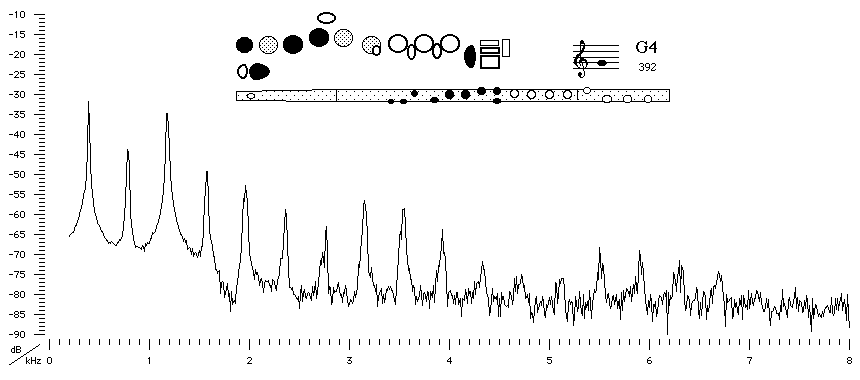
The Sound Spectrum- A sound spectrum is a representation of a sound in terms of the vibration of each individual frequency, usually represented in a graph as shown below.